
Ensuring that your gastrointestinal (GI) tract is functioning correctly is essential to your overall health and well-being. Most people experience stomach problems occasionally—usually due to a minor infection or dietary choice—and the discomfort is short-lived. But for those living with inflammatory bowel disease (IBD), the painful flare-ups can be a life-long struggle. Ulcerative Colitis (UC) is one of the primary forms of IBD, affecting hundreds of thousands of individuals. It is a chronic condition that requires careful, long-term management to prevent complications and maintain quality of life.
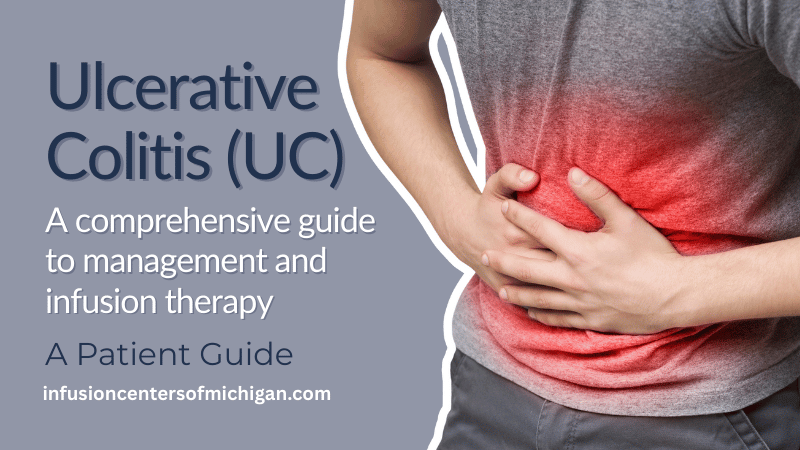
Ulcerative Colitis is a chronic inflammatory bowel disease (IBD) that affects the colon and rectum. It causes inflammation, ulcers, and continuous irritation of the digestive tract lining, leading to symptoms such as abdominal pain, diarrhea, rectal bleeding, and fatigue.
Navigating a diagnosis of Ulcerative Colitis can feel overwhelming. You may be researching solutions to improve your daily comfort or comparing treatment options to make an informed decision about your health. This guide provides a comprehensive analysis of the disease, exploring its history, causes, and the latest expert-endorsed solutions for management, with a specific focus on how infusion therapy is revolutionizing care for chronic sufferers.

What is Ulcerative Colitis?
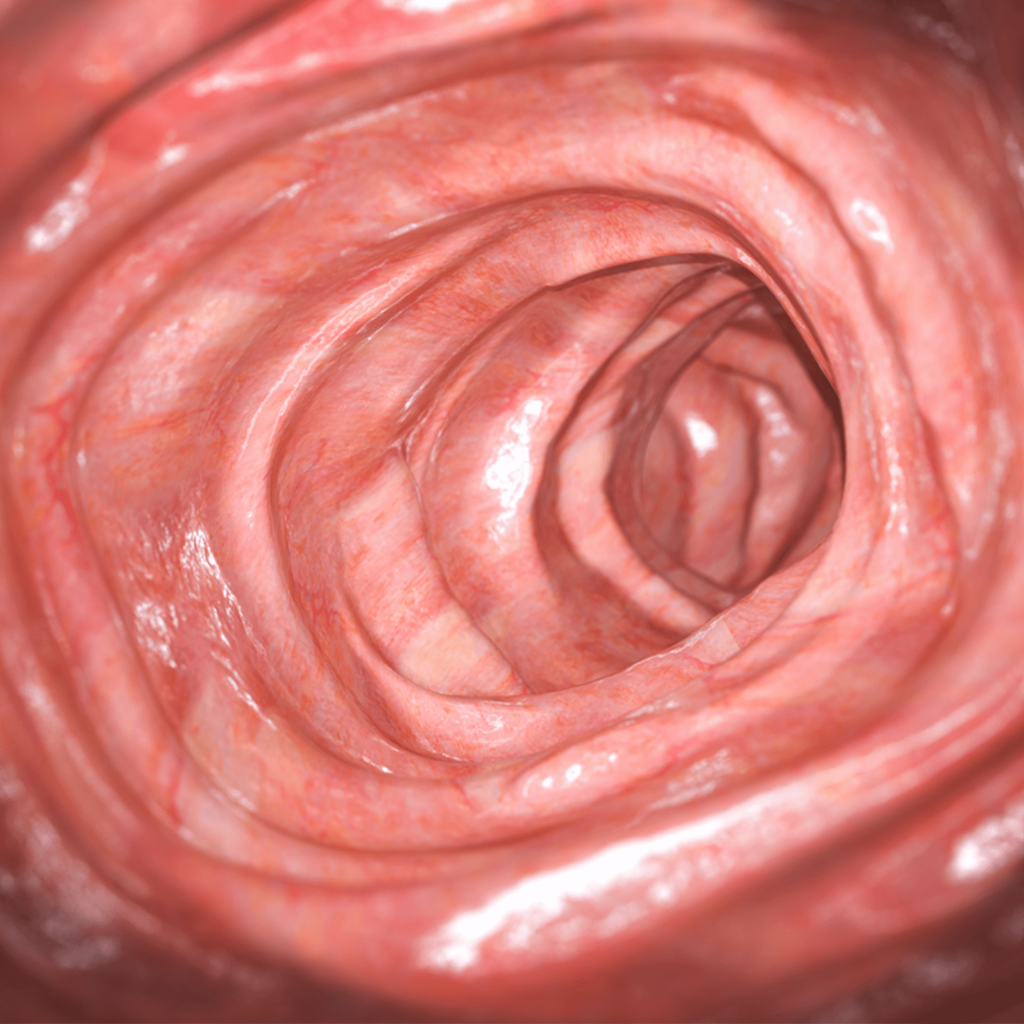
Ulcerative Colitis is an abnormal immune response that causes long-lasting inflammation and sores (ulcers) in the digestive tract. Unlike Crohn’s disease, which can affect any part of the digestive system and often involves the deeper layers of the bowel wall, UC specifically targets the innermost lining of the large intestine (colon) and rectum.
Organs Affected:
The disease usually begins in the rectum and spreads upward into the colon. The inflammation is continuous, meaning there are no patches of healthy tissue mixed with inflamed tissue. Depending on where the inflammation occurs, UC is often classified into subtypes:
- Ulcerative Proctitis: Inflammation is confined to the area closest to the anus (rectum).
- Proctosigmoiditis: Inflammation involves the rectum and sigmoid colon (the lower end of the colon).
- Left-sided Colitis: Inflammation extends from the rectum up through the sigmoid and descending colon.
- Pancolitis: Affects the entire colon.
Identifying the Symptoms
The symptoms of Ulcerative Colitis can vary significantly depending on the severity of inflammation and where it occurs. Symptoms often develop gradually rather than hitting suddenly.
Common symptoms include:
- Diarrhea: This is often the hallmark symptom, frequently accompanied by blood or pus.
- Abdominal Pain and Cramping: Often occurs before a bowel movement.
- Rectal Pain and Bleeding: Passing small amounts of blood with stool.
- Urgency: An inability to hold back a bowel movement despite the urge to go.
- Tenesmus: A persistent feeling of needing to pass stool even when the bowel is empty.
- Weight Loss: Due to loss of appetite or malabsorption.
- Fatigue: Caused by the body’s energy going toward fighting inflammation or from anemia.
- Fever: In severe cases.
Triggers and Complications
While the disease follows an unpredictable course of flare-ups and remission, certain factors can trigger symptoms.
• Triggers: Stress is a major factor that can worsen symptoms, though it does not cause the disease. Diet also plays a role; spicy foods, alcohol, dairy, and high-fiber foods can exacerbate discomfort during a flare. Nonsteroidal anti-inflammatory drugs (NSAIDs) like ibuprofen can also trigger inflammation.
If left untreated, UC can lead to serious complications:
• Severe Bleeding: Leading to significant anemia.
• Perforated Colon: A hole in the colon wall requiring emergency surgery.
• Toxic Megacolon: A rapidly swelling colon that can rupture.
• Increased Cancer Risk: Long-standing inflammation of the colon increases the risk of developing colorectal cancer.
Causes and Risk Factors
The exact cause of Ulcerative Colitis remains unknown, but researchers agree it is likely the result of a complex interaction between genetics, the immune system, and environmental factors.
The Immune System:
The prevailing theory is that UC is an autoimmune reaction. The immune system mistakes harmless bacteria or food in the gut for foreign invaders. In its attempt to fight them off, the immune system sends white blood cells to the lining of the colon, producing chronic inflammation and ulcers.
Genetics:
Heredity plays a role. You are at a higher risk if you have a close family member, such as a parent or sibling, with the disease. However, most people with UC do not have a family history of it.
Risk Factors:
• Age: It usually begins before age 30, though it can occur at any age.
• Ethnicity: It is more common in white people and those of Ashkenazi Jewish descent.
• Environment: Living in developed countries and urban areas is associated with higher rates of UC, suggesting that diet or lifestyle factors in these environments may contribute.
Co-morbidities and Extraintestinal Manifestations
Ulcerative Colitis is a systemic condition, meaning the inflammation can affect areas outside the digestive tract. These are known as extraintestinal manifestations.
- Joints: Arthritis is the most common co-morbidity, causing pain and swelling in large joints.
- Skin: Conditions like erythema nodosum (tender red nodules) can appear.
- Eyes: Uveitis (eye inflammation) can cause redness and pain.
- Liver: Rare complications include Primary Sclerosing Cholangitis (PSC), which causes inflammation in the bile ducts.
- Bone Health: Osteoporosis can occur due to poor absorption of Vitamin D and calcium or long-term steroid use.
- Fertility: Women with Crohn’s disease may experience reduced fertility, making it difficult to conceive. However, the majority of women can still have a successful pregnancy with appropriate management and monitoring.
- Mental Health: The stress of living with Crohn’s disease can also impact mental health and lead to anxiety or depression. It is important for patients to seek support from healthcare professionals and loved ones.
While there is no cure for Crohn’s disease, it can be managed through medication, lifestyle changes, and surgery in severe cases. Treatment plans will vary depending on the individual’s specific symptoms and needs. It is crucial for patients to work closely with
A Brief History of Ulcerative Colitis
Descriptions of chronic diarrhea appear in ancient records, but Ulcerative Colitis was first described as a distinct entity in 1859 by Sir Samuel Wilks. He used the term to distinguish the condition from bacterial dysentery. For over a century, treatment options were limited to surgery and basic symptom management. The introduction of corticosteroids in the 1950s was the first major medical breakthrough. Today, the landscape has shifted dramatically with the advent of biologic therapies, offering patients an industry-proven path to remission that was unimaginable just a few decades ago.
Diagnosis and Early-Stage Management
A definitive diagnosis is the first step toward relief. A gastroenterologist will likely perform a colonoscopy to view the entire colon and take tissue samples (biopsies) for analysis. Blood tests to check for anemia and inflammation markers (like C-reactive protein) and stool tests to rule out infections are also standard.
Early-Stage Management Strategies:
Treatment depends on the severity of the condition.
- Aminosalicylates (5-ASAs): For mild to moderate UC, these anti-inflammatory drugs (like mesalamine) are often the first line of defense.
- Corticosteroids: For moderate to severe flares, drugs like prednisone are used to rapidly reduce inflammation. However, due to significant side effects, they are not a long-term solution.
- Dietary Adjustments: While no specific diet cures UC, eating smaller meals, staying hydrated, and avoiding trigger foods can help manage symptoms.
Long-Term Management: The Role of Infusion Therapy
For patients with moderate to severe Ulcerative Colitis, or for those who do not respond to oral medications, long-term management often requires a more potent approach. This is where infusion therapy has become a cornerstone of modern treatment. Infusion therapy involves administering medication intravenously (IV). This method ensures 100% bioavailability, meaning the full dose of the drug reaches the bloodstream immediately. In patients with digestive disorders, inflammation can sometimes impair the absorption of oral pills. Infusion therapy bypasses the digestive system entirely, ensuring consistent and effective delivery of the medication.
Biologic Infusions: An Expert-Endorsed Solution
Biologics are genetically engineered proteins that target specific parts of the immune system that drive inflammation. Unlike steroids, which suppress the entire immune system, biologics are precise. They “turn off” specific inflammatory signals, allowing the gut to heal. These therapies have shown user-validated results in inducing and maintaining remission, often known as “mucosal healing.”
Different biologics work via different mechanisms of action. Understanding these differences can help you and your doctor choose the most effective, cost-efficient choice for your specific needs.
1. Anti-TNF Agents (Tumor Necrosis Factor Inhibitors)
Primary Infusion: Infliximab (Remicade and its biosimilars like Avsola, Inflectra, and Renflexis).
- Mechanism of Action: Tumor Necrosis Factor-alpha (TNF-alpha) is a protein produced by your body’s immune system that promotes inflammation. In people with UC, excess TNF-alpha attacks healthy colon tissue. Anti-TNF drugs bind to this protein, blocking its action and interrupting the inflammatory cycle.
- Administration: Infliximab is administered via IV infusion. The schedule typically involves an induction phase (infusions at week 0, 2, and 6) followed by maintenance infusions every 8 weeks.
- Patient Profile: Often used for patients with moderate to severe UC who haven’t responded to other treatments. It is known for working relatively quickly to reduce symptoms.
2. Integrin Receptor Antagonists
Primary Infusion: Vedolizumab (Entyvio).
- Mechanism of Action: This biologic is “gut-selective.” White blood cells (lymphocytes) travel to the gut lining to cause inflammation. To get there, they use specific proteins on their surface (integrins) that act like a key to unlock the door to the gut tissue. Vedolizumab blocks this specific integrin (alpha-4 beta-7), effectively locking the door. Because it specifically targets the gut, it has less impact on the immune system in the rest of the body.
- Administration: Administered via IV infusion. The typical schedule is induction at weeks 0, 2, and 6, followed by maintenance infusions every 8 weeks.
- Patient Profile: Ideal for patients who prefer a therapy with a more targeted safety profile or older patients where systemic immunosuppression carries higher risks.
3. Interleukin Inhibitors (IL-12/23 and IL-23)
Primary Infusion (Induction): Ustekinumab and Mirikizumab.
- Mechanism of Action: Interleukins are proteins that serve as messengers between immune cells.
- Ustekinumab: Targets two specific proteins, IL-12 and IL-23. By blocking these, it suppresses the immune response causing the inflammation.
- Mirikizumab: A newer therapy that specifically targets only the p19 subunit of IL-23. This precise targeting interrupts the cytokine signaling pathway responsible for intestinal inflammation.
- Administration: These therapies often start with a one-time IV infusion dose to rapidly load the medication into the system (induction). Long-term maintenance is usually continued via subcutaneous injections that can be done at home, though the initial infusion is critical for effectiveness.
Patient Profile: These are excellent options for patients who may have stopped responding to Anti-TNF therapies or who want the convenience of transitioning to home injections after the initial infusion.
Why Choose Infusion Therapy?
- Adherence: With infusions scheduled every few weeks, you do not need to remember a daily pill.
- Monitoring: Receiving treatment at a clinical center ensures you are monitored by healthcare professionals who can track your vitals and reaction to the medication.
- Efficacy: For many, IV biologics provide a depth of remission—healing the colon lining—that oral medications simply cannot achieve.
Lorem ipsum dolor sit amet, consectetur adipiscing elit. Ut elit tellus, luctus nec ullamcorper mattis, pulvinar dapibus leo.
Common Infusion Therapies for Ulcerative Colitis (UC)





Cures on the Horizon
Currently, there is no medical cure for Ulcerative Colitis (surgical removal of the colon is considered a “curative” surgery but comes with significant life changes). However, the future of research is promising.
- Microbiome Modulation: Scientists are exploring how altering the gut bacteria (the microbiome) through fecal microbiota transplantation (FMT) or targeted probiotics can resolve inflammation.
- Small Molecule Drugs: New classes of oral medications, like JAK inhibitors and S1P receptor modulators, are being developed. While not infusions, they offer new mechanisms to control the immune system.
- Personalized Medicine: Future treatments aim to identify exactly which immune pathway is broken in an individual patient, allowing for a tailored therapy that works on the first try.
Ulcerative Colitis is a complex condition, but it is also a manageable one. The evolution from basic symptom control to advanced, targeted infusion therapies represents a new era in digestive health. These expert-endorsed solutions offer more than just relief; they offer the possibility of deep remission and a return to normal life.
If you are struggling with persistent symptoms or feel that your current treatment plan is no longer effective, it may be time to discuss infusion therapy with your specialist. By comparing your options and understanding the comprehensive analysis of these treatments, you can make a cost-effective choice that supports your long-term health. Remember, you do not have to navigate this journey alone—proven medical advancements are available to help you reclaim your well-being.

Most people experience occasional stomach problems. Usually, these issues are temporary, caused by a minor infection or something you ate, and discomfort is short-lived. But
Living with a chronic condition means navigating a complex landscape of treatment options. For those managing autoimmune diseases—specifically those affecting the skin, joints, and digestive