
As special as pregnancy can be, it brings a profound wave of changes to the body, and sometimes that body needs help adapting to them. While many anticipate the physical shifts, few are prepared for the intense, debilitating nausea that can sometimes accompany them. If you or someone you love is experiencing severe, unrelenting sickness during pregnancy, you might be dealing with Hyperemesis Gravidarum (HG).
This condition goes far beyond the typical nausea many pregnant people experience. It demands compassion, understanding, and medical support. This guide will walk you through what HG is, how to recognize it, ways to treat it, and where to find the support you need during this challenging time.
What is Hyperemesis Gravidarum?
Hyperemesis Gravidarum is a severe complication of pregnancy characterized by extreme, persistent nausea and vomiting. The term itself breaks down to “hyper” (meaning excessive), “emesis” (vomiting), and “gravidarum” (of pregnancy).
Unlike standard pregnancy sickness, HG can lead to severe dehydration, weight loss, and electrolyte imbalances. It disrupts your daily life, making it nearly impossible to eat, drink, work, or care for your family. Understanding that HG is a recognized medical condition—not a personal failure or something you can simply “tough out”—is the first step toward finding relief.

Morning Sickness vs Hyperemesis Gravidarum
It is easy to confuse HG with typical morning sickness, but the two are fundamentally different. Morning sickness affects up to 80% of pregnant people. It usually involves mild to moderate nausea, occasional vomiting, and typically subsides by the second trimester. Most importantly, morning sickness rarely prevents you from keeping enough food and liquids down to stay hydrated and maintain your weight.
Hyperemesis Gravidarum, on the other hand, is rare. It affects roughly 1% to 3% of pregnancies. The differences are stark:
Morning Sickness
Vomiting frequency – Morning Sickness might cause you to vomit once or twice a day.
Weight Loss – Morning sickness doesn’t generally lead to weight loss.
Dehydration – Morning Sickness may cause mild dehydration however you can usually replace the liquids quickly and maintain hydration.
Impact on daily life: Morning sickness in general has limited interference with daily activities and often subsides by the start of the second trimester. People experiencing morning sickness
Duration: Morning sickness is often experienced only at certain times of the day and usually subsides around 12-14 weeks.
Hyperemesis Gravidarum
Vomiting Frequency – Hyperemesis Gravidarum can cause you to vomit multiple times an hour and at any time of the day.
Weight Loss – Hyperemesis Gravidarum can result in significant weight loss and dehydration. However, Hyperemesis Gravidarum can occur even if weight loss is not present; however, it is a significant diagnostic marker. If you find yourself with other alarming symptoms of HG without weight loss, you may want to make sure you discuss your symptoms with your physician.
Dehydration – Hyperemesis Gravidarum can lead to serius and severe dehydration requiring intervention and treatment with IV fluids and or vitament replacement to help replace lost water and balance electrolites.
Impact on daily life: Hyperemesis Gravidarum, in contrast, can often feel as though it requires constant maintenance just to live normally. Often, random smells will trigger your gag reflex and induce vomiting at inconvenient times and places. Many people experiencing HG find it extremely taxing to maintain their daily activities and require a lot of rest.
Duration: Hyperemesis Gravidarum can last up until delivery and may occur throughout the day.
Hyperemesis Gravidarum, on the other hand, is rare. It affects roughly 1% to 3% of pregnancies. The differences are stark:
• Vomiting frequency: Morning sickness might cause you to vomit once or twice a day. HG can cause you to vomit multiple times an hour.
• Weight loss: Morning sickness usually doesn’t lead to weight loss, whereas HG can result in significant weight loss and dehydration. HG often results in a loss of 5% or more of your pre-pregnancy body weight.
• Dehydration: While morning sickness may cause mild dehydration, HG can lead to severe dehydration requiring hospitalization and IV fluids. With morning sickness, you can usually stay hydrated. HG often requires intravenous (IV) fluids to replace lost water and electrolytes.
• Impact on daily life: Morning sickness generally does not interfere with your daily activities, but HG can make it difficult to do anything other than lie down all day. While the exact cause of morning sickness is unknown, hormonal changes during pregnancy are thought to play a role. Women who have high levels of hormones like estrogen and HCG (human chorionic gonadotropin) are more likely to experience morning sickness.
• Duration: While morning sickness usually fades around 12 to 14 weeks, HG can persist well into the second trimester, and for some, it lasts until delivery.
The severity of HG can fluctuate. You might experience a few manageable days followed by a severe crash. The physical toll is immense, leaving many bedridden and physically exhausted.
What Causes Hyperemesis Gravidarum?
If Hyperemesis Gravidarum is left untreated, it can lead to several complications that affect both the pregnant individual and the developing baby. Severe dehydration and malnutrition are common concerns, as the body struggles to maintain essential nutrients and hydration levels. This can result in significant weight loss, electrolyte imbalances, and even organ dysfunction in extreme cases.
For the baby, poor maternal nutrition can potentially lead to low birth weight or preterm birth. However, with proper medical intervention, these risks can often be mitigated. It is crucial to seek timely medical attention to manage symptoms and prevent long-term effects. Recent research also points to a hormone called GDF15. Your body produces this hormone during pregnancy, and some individuals are highly sensitive to it, triggering severe nausea and vomiting.
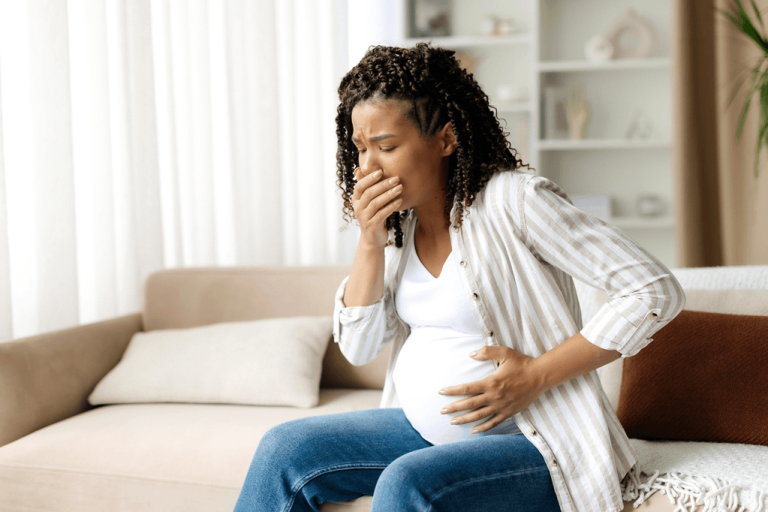
Recognizing the Symptoms and Severity
The symptoms of HG are severe and impossible to ignore. Recognizing them early can help you get the medical intervention you need. Key symptoms include:
• Severe, persistent nausea and vomiting
• Inability to keep down food or fluids for more than 12 to 24 hours
• Significant weight loss (5% or more of pre-pregnancy weight)
• Dehydration, marked by dark urine, infrequent urination, and extreme thirst
• Lightheadedness, dizziness, or fainting
• Headaches and extreme fatigue
• Rapid heart rate or low blood pressure
• Excessive saliva production (ptyalism)
Several risk factors can increase your likelihood of developing HG:
• A history of HG in previous pregnancies
• A family history of the condition (e.g., your mother or sister had it)
• Being pregnant with multiples (twins, triplets), which means higher hormone levels
• A history of motion sickness or migraines
• Trophoblastic disease (a rare condition involving abnormal growth of cells inside the uterus)
Never hesitate to reach out to your healthcare provider if you struggle with severe nausea and vomiting. Early intervention can prevent serious complications. You should seek immediate medical help if you experience alarm symptoms.
Treating HG requires a comprehensive approach tailored to the severity of your symptoms. The goal is to manage the nausea, prevent dehydration, and ensure both you and your baby get the necessary nutrients.
Diagnosis and When to Seek Medical Help
• Inability to keep liquids down for 12 hours
• Signs of dehydration, such as dark urine or passing no urine for 8 hours
• Dizziness, fainting, or severe weakness
• Vomiting blood
• Confusion or extreme lethargy
To diagnose HG, your doctor will review your medical history and symptoms. They will likely check your weight and blood pressure. Blood and urine tests help assess dehydration, electrolyte imbalances, and ketone levels (which indicate your body is breaking down fat for energy due to starvation).
Exploring Treatment Options
• Intravenous (IV) Fluids: Severe dehydration requires immediate IV fluids to restore hydration and correct electrolyte imbalances. There are two types of IV fluids supported by The Infusion Centers of Michigan. Your doctor will choose which IV solution is best for you based on your specific symptoms and needs.
- Normal Saline- This is the most common IV fluid option made of a basic sodium and chloride solution used to quickly rehydrate your body.
- Lactated Ringer- This fluid is similar to Normal Saline yet contains lower levels of sodium and chloride, and additional electrolytes such as potassium and calcium, making it closer in composition to your blood plasma
Finding Support and Resources
Individuals experiencing Hyperemesis Gravidarum often gain from additional support. Building a support network is vital for your physical and mental well-being.
Don’t hesitate to lean on your inner circle. Be honest with your partner, family, and friends about what you’re going through, and let them help with chores, childcare, and meal preparation. Having a strong support system can make all the difference. You can also find incredible resources by connecting with others who understand your experience. Online communities and support groups, such as those offered by the HER (Hyperemesis Education and Research) Foundation, provide a safe space to share your struggles and triumphs.
It is essential to seek professional help, especially if HG is affecting your mental health. A doctor or therapist specializing in maternal mental health can provide guidance, offer treatment options, and help you process the grief, anxiety, and trauma that often accompany an HG pregnancy. Most importantly, advocate for yourself. If your doctor dismisses your symptoms, seek a second opinion. You know your body best, and educating yourself about the condition can empower you to feel more in control and communicate your needs effectively.
Conclusion: Moving Forward with Compassion
Hyperemesis Gravidarum is a relentless, exhausting condition that demands immense strength from those who endure it. It is not just morning sickness, and it is certainly not in your head. It is a severe medical condition that requires immediate, compassionate care.
If you are currently battling HG, please know that your feelings of frustration and despair are completely valid. Give yourself grace, advocate fiercely for your medical needs, and lean on every support system available to you.
If you are reading this to support a loved one with HG, offer your unwavering empathy. Skip the advice about ginger ale and instead offer to clean their house, watch their older children, or sit with them in the dark.
By raising awareness and fostering understanding, we can ensure that anyone facing Hyperemesis Gravidarum receives the validation, treatment, and support they desperately need to bring their baby into the world.
The Emotional and Mental Health Impact of Hyperemesis Gravidarum
The physical torment of HG is only half the battle. The emotional and mental health toll is staggering. Experience ng HG often leads to intense feelings of isolation and worsened depression.
When you cannot leave your bed, participate in family activities, or go outside, you may feel profoundly lonely. This is because constant nausea can drain your emotional reserves. Many women with HG report feeling disconnected from their pregnancy, which can cause a lack of joy or excitement about the baby due to overwhelming sickness. Furthermore, HG is often misunderstood by friends, family, and sometimes even medical professionals. Hearing well-meaning but dismissive comments like “have you tried ginger?” or “it’s just morning sickness” can make you feel invalidated and invisible.
Post-traumatic stress disorder (PTSD) is also a recognized aftermath for many who endure severe HG. Acknowledging this emotional burden is critical. Seeking support from a mental health professional who understands perinatal mood disorders can be a lifeline.