
Most people experience joint aches occasionally. Usually, it is due to overexertion, a minor injury, or the natural wear and tear of aging, and the discomfort is often short-lived. But for those living with Rheumatoid Arthritis (RA), the pain is different. It is persistent, symmetrical, and often debilitating. Unlike osteoarthritis, which results from the breakdown of cartilage, RA is a chronic autoimmune disorder where the body’s immune system mistakenly attacks its own tissues.
Navigating a diagnosis of Rheumatoid Arthritis can feel overwhelming. You may be researching solutions to improve your mobility or comparing treatment options to make an informed decision about your long-term health. This guide provides a comprehensive analysis of the disease, exploring its history, causes, and the latest expert-endorsed solutions for management, with a specific focus on how infusion therapy is revolutionizing care for chronic sufferers.Whether you are newly diagnosed or have been living with Rheumatoid Arthritis for some time, our goal is to provide you with unbiased information that will assist you in your journey towards finding the most effective and cost-efficient treatment options.
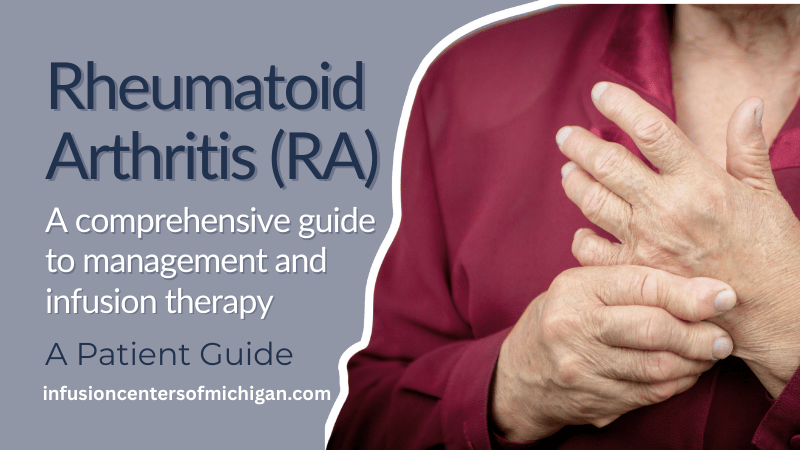
At its core, Rheumatoid Arthritis is an autoimmune disease. This means that it occurs when the body’s own immune system mistakenly attacks its own tissues, specifically those in the joints. The result can be painful inflammation, stiffness and swelling of the joints, which can lead to mobility issues and decreased quality of life if left untreated.

What is Rheumatoid Arthritis?
Rheumatoid Arthritis is a systemic autoimmune disease. This means that instead of protecting the body from infection, the immune system attacks the synovium—the lining of the membranes that surround your joints (synovium). The resulting inflammation thickens the synovium, which can eventually destroy the cartilage and bone within the joint. The tendons and ligaments that hold the joint together weaken and stretch, causing the joint to lose its shape and alignment. Rheumatoid Arthritis is a chronic condition, which means it lasts for a long time and can potentially worsen over time. It usually affects joints on both sides of the body equally – for example, both hands or both wrists. This symmetry helps to distinguish rheumatoid arthritis from other types of arthritis.
Organs Affected:
While the joints are the primary target—typically the smaller joints in the hands and feet first—RA is a systemic disease. This means the inflammation can damage other parts of the body, including the skin, eyes, lungs, heart, and blood vessels. It can also cause fatigue, fever, and weight loss.
Identifying the Symptoms
The signs of Rheumatoid Arthritis can vary in severity and may come and go. Periods of increased disease activity, known as flares, alternate with periods of relative remission.
Common symptoms include:
- Tender, warm, swollen joints: This is the hallmark sign of inflammation.Joint stiffness: Usually worse in the mornings and after inactivity. Unlike the stiffness of osteoarthritis, which wears off quickly, RA stiffness often lasts for more than 30 minutes to an hour.
- Symmetrical pattern: If the joints on your left hand are inflamed, the joints on your right hand likely will be too.
- Fatigue: A deep, persistent exhaustion that sleep does not fix.
- Fever: Low-grade fevers are common during flares.
- Loss of appetite: Leading to unintended weight loss.
Triggers and Complications
Understanding what aggravates the condition is crucial for management.
- Triggers: Stress is a significant trigger for many patients. Physical overexertion, infection, and poor sleep can also precipitate a flare. Certain foods that promote inflammation (like processed sugars and saturated fats) may worsen symptoms.
- Complications: Without effective treatment, RA leads to joint deformity and disability. Because of the systemic inflammation, patients also have a higher risk of cardiovascular disease, lung disease, and lymphoma. However, with proper treatment and management, these complications can be minimized.
- Treatment Options: The first-line of treatment for RA is typically medication, including disease-modifying anti-rheumatic drugs (DMARDs) and biologic agents. Physical therapy, exercise, and lifestyle modifications may also help manage symptoms and improve quality of life.
- Alternative Therapies: While there is currently no cure for RA, some patients have found relief through alternative therapies such as acupuncture, massage therapy, and herbal supplements. These should always be discussed with a healthcare professional before trying.
Support Networks: Living with a chronic condition can be challenging both physically and emotionally. It’s important to build a
A Brief History of Rheumatoid Arthritis
While arthritis has affected humans for millennia, Rheumatoid Arthritis as a distinct clinical entity is a relatively modern discovery. The first clear description is attributed to French medical student Augustin Jacob Landré-Beauvais in 1800. For over a century, treatments were rudimentary, often involving heavy metals like gold salts, which had severe side effects. The introduction of corticosteroids in the 1950s provided a breakthrough in symptom management, but it wasn’t until the late 1990s and the advent of biologic therapies that the trajectory of the disease could be truly altered. Today, we have industry-proven treatments that can prevent joint damage rather than just masking the pain.
Causes and Risk Factors
The exact cause of Rheumatoid Arthritis is not fully understood, but researchers believe it involves a complex interplay of genetics, environmental factors, and hormones.
- Genetics: While you cannot inherit RA directly, you can inherit a predisposition to it. Specific genes, particularly those known as HLA (human leukocyte antigen) class II genotypes, can make your immune system more likely to react to environmental triggers.
- Environmental Factors: Exposure to certain elements may trigger the disease in people with genetic risks. Smoking is the most significant environmental risk factor and can also make the disease more severe. Obesity and exposure to silica dust or asbestos have also been linked to RA.
- Hormones: RA is more common in women than men, leading researchers to believe that estrogen may play a role in the development of the disease.
Co-morbidities:
Living with RA often means managing other conditions. Common co-morbidities include:
Osteoporosis: RA itself, along with some medications used to treat it (like prednisone), can decrease bone density.
Dry Eyes and Mouth: Many RA patients develop Sjogren’s syndrome, a disorder that decreases moisture in the eyes and mouth.
Infections: The disease and the medications used to suppress the immune system can lead to a higher frequency of infections.
Diagnosis and Early-Stage Management
Diagnosing RA in its early stages can be difficult because symptoms may mimic other diseases. However, early diagnosis is critical because joint damage can occur within the first two years of disease onset.
Diagnosis Tools
A rheumatologist will conduct a physical exam to check for swelling, redness, and warmth. To confirm the diagnosis, they will likely order:
- Blood Tests:
- Rheumatoid Factor (RF): An antibody found in about 80% of people with RA.
- Anti-CCP (Anti-cyclic citrullinated peptide): A more specific antibody that often appears before symptoms develop.
- ESR (Erythrocyte sedimentation rate) and CRP (C-reactive protein): Markers that indicate the level of inflammation in the body.
- Imaging: X-rays, MRIs, or ultrasounds can help track the progression of joint damage over time.
Early-Stage Management
The goal of treatment is remission—meaning no active inflammation.
- NSAIDs: Nonsteroidal anti-inflammatory drugs (like ibuprofen) reduce pain and inflammation but do not stop the disease from progressing.
- Corticosteroids: Medications like prednisone provide rapid relief during severe flares but are generally used only for short periods due to side effects.
- DMARDs (Disease-Modifying Antirheumatic Drugs): These are the cornerstone of treatment. Conventional DMARDs like methotrexate work to slow the disease progression and save the joints and other tissues from permanent damage.
Common Infusion Therapies for Rheumatoid Arthritis (RA)




Long-Term Management of Rheumatoid Arthritis (RA): The Role of Infusion Therapy
For many patients, conventional oral DMARDs are not enough to control the disease. When RA is moderate to severe, or when patients do not respond to first-line treatments, infusion therapy becomes an essential, expert-endorsed solution.
Infusion therapy involves administering biologic medications intravenously (IV). This method ensures 100% bioavailability, meaning the full dose of the medication is immediately available to the body. Biologics are genetically engineered proteins that target specific parts of the immune system that drive inflammation. Because they are proteins, they cannot be taken orally as the digestive system would break them down.
Why Infusion Therapy?
Infusion therapy offers a comprehensive analysis of benefits for chronic disease management:
- Adherence: With infusions typically scheduled every 4 to 8 weeks (depending on the drug), patients do not have to worry about missing daily pills.
- Professional Monitoring: Treatments are administered in a clinical setting, allowing healthcare professionals to monitor for side effects and assess the patient’s condition regularly.
- Efficacy: Biologics have revolutionized RA treatment, helping many patients achieve low disease activity or remission when other treatments failed.
Types of Infusions for Rheumatoid Arthritis
Different biologics target different mechanisms in the immune system. Understanding these mechanisms helps in choosing the most effective, cost-efficient choice for your specific condition.
1. TNF Inhibitors (Tumor Necrosis Factor Inhibitors)
Primary Infusions: Infliximab (Remicade) and Golimumab (Simponi Aria).
- Mechanism of Action: Tumor Necrosis Factor-alpha (TNF-alpha) is a signaling protein (cytokine) involved in systemic inflammation. In RA, the body produces too much TNF-alpha, which recruits other immune cells to the joints, causing damage. TNF inhibitors act like a sponge, soaking up the excess TNF-alpha or blocking its receptors, thereby interrupting the inflammatory signal.
- Usage: Infliximab is often one of the first biologics prescribed. It is usually given at weeks 0, 2, and 6, and then every 8 weeks thereafter. It is frequently combined with methotrexate to prevent the body from developing antibodies against the drug.
2. T-Cell Costimulation Modulators
Primary Infusion: Abatacept (Orencia).
- Mechanism of Action: T-cells are white blood cells that play a central role in the immune response. To become active and cause inflammation, T-cells need two signals from other immune cells. Abatacept works by blocking the second signal (costimulation), effectively preventing the T-cells from “turning on.” This reduces the release of chemicals that cause joint damage.
- Usage: After an initial loading dose, Orencia is typically administered via infusion once a month. It is a user-validated result for patients who may not have responded well to TNF inhibitors.
4. B-Cell Depleting Agents
Primary Infusion: Rituximab (Rituxan).
- Mechanism of Action: B-cells are immune cells that produce antibodies. In RA, B-cells may produce rheumatoid factor and other antibodies that contribute to inflammation. Rituximab targets a protein called CD20 on the surface of B-cells and depletes them. By reducing the number of B-cells, the production of harmful antibodies decreases.
- Usage: Rituxan is often reserved for patients who have not responded to TNF inhibitors. It is administered as two infusions given two weeks apart. This course may be repeated every 6 to 12 months based on the return of symptoms.
Managing Side Effects of Infusion Therapy.
While industry-proven to be effective, biologics suppress the immune system, which can increase the risk of infections.
Common side effects include:
- Infusion reactions: Mild symptoms like headache, rash, or nausea during administration.
- Upper respiratory infections: Increased susceptibility to colds or sinus infections.
- Injection site reactions: If switched to injectable forms later.
- Nausea and vomiting: Occur most often in the first 24 hours after infusion.
- Fever: A common side effect that usually resolves within 24 hours.
To minimize these risks, infusions are typically administered in a controlled medical setting with trained professionals. Additionally, patients who experience symptoms can take certain precautions to manage their side effects:
- Stay hydrated: Drinking plenty of fluids can help flush out any toxins or medication from the body, reducing the risk of infection.
- Practice good hygiene: Regularly washing your hands and avoiding contact with sick individuals can reduce the risk of upper respiratory infections.
- Take necessary medications prior to infusion: Your healthcare providers mitigate these risks by screening for tuberculosis (TB) and hepatitis before starting treatment and monitoring blood counts regularly.

Cures on the Horizon
Currently, there is no cure for Rheumatoid Arthritis, but the field of rheumatology is evolving rapidly. The goal is moving from management to prevention and eventual cure.
- Vagus Nerve Stimulation: Researchers are exploring bioelectronic medicine. A small device implanted to stimulate the vagus nerve has been shown to reduce the production of inflammatory cytokines like TNF, effectively “turning off” inflammation using the body’s own neural pathways.
- Tolerance Induction: Scientists are working on “vaccines” that could retrain the immune system to tolerate the body’s own tissues rather than attacking them. This would stop the autoimmune reaction at its source without suppressing the entire immune system.
- Stem Cell Therapy: Mesenchymal stem cells are being investigated for their ability to repair damaged joint tissue and modulate the immune system. While still experimental, early trials offer hope for regenerating cartilage lost to the disease.
- Precision Medicine: Future treatments aim to identify the specific genetic and molecular profile of a patient’s RA. This would allow doctors to predict exactly which biologic will work best, eliminating the trial-and-error approach currently used.
Taking Control of Your Journey
Rheumatoid Arthritis is a life-altering diagnosis, but it does not have to define your future. The shift from basic pain management to advanced, targeted infusion therapies represents a new era in autoimmune care. These expert-endorsed solutions offer more than just relief; they offer the possibility of halting disease progression and preserving joint function for years to come.
If you are experiencing persistent joint pain or feel that your current oral medications are not providing adequate relief, it is essential to advocate for your health. Discuss infusion therapy with your rheumatologist. By engaging in a comprehensive analysis of your treatment options, you can make a cost-effective choice that supports your long-term mobility and well-being. Remember, proactive management is the key to living a full, active life with RA.