
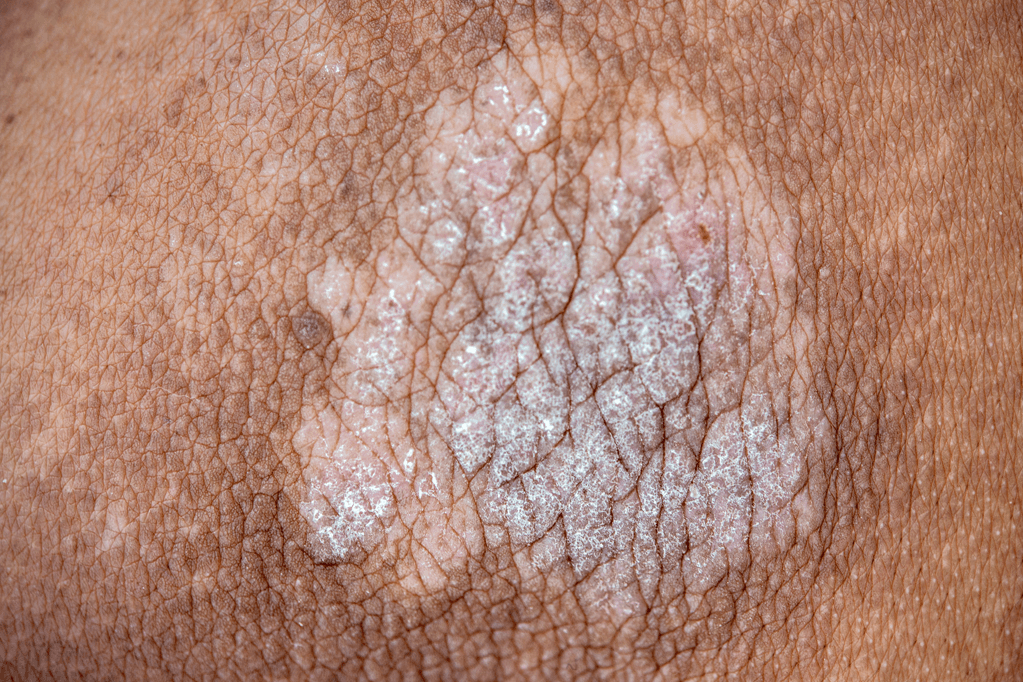
Psoriatic arthritis (PsA) is a complex inflammatory condition that affects the joints and the places where tendons and ligaments connect to bone. It often appears in people who have psoriasis, a chronic skin disease characterized by red patches of skin topped with silvery scales. While many people think of arthritis as a single condition of “wear and tear,” PsA is an autoimmune disease where the body’s immune system mistakenly attacks healthy tissue, causing inflammation, pain, and potentially irreversible joint damage.
Managing PsA requires a proactive approach. Understanding the symptoms, getting an early diagnosis, and starting an effective treatment plan—often including infusion therapy—can significantly improve quality of life and prevent long-term disability.
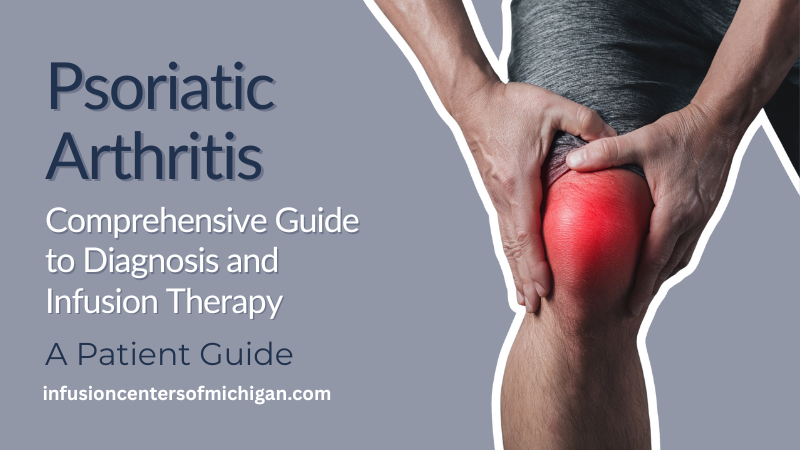
Psoriatic arthritis typically affects the large joints, particularly those of the lower extremities, distal joints of the fingers and toes, and can also affect the back and sacroiliac joints of the pelvis. Unlike osteoarthritis, which is degenerative, PsA is inflammatory.
It is closely linked to psoriasis. In fact, most people develop psoriasis first and are later diagnosed with psoriatic arthritis, but the joint problems can sometimes begin before skin patches appear.
Recognizing the Symptoms
Because PsA can affect any joint in the body, symptoms vary widely from person to person. They can range from mild to severe, and like psoriasis, the condition may alternate between periods of flare-ups and periods of remission.
Common Symptoms Include:
Joint Pain and Stiffness: Often worse in the mornings or after periods of rest.
Swelling: Joints may feel warm and tender to the touch.
Dactylitis: This is a hallmark symptom involving severe swelling of an entire finger or toe, giving it a “sausage-like” appearance.
Enthesitis: Tenderness or pain where tendons or ligaments attach to bones. Common spots include the back of the heel (Achilles tendinitis) or the sole of the foot (plantar fasciitis).
Lower Back Pain: Inflammation of the joints between the vertebrae (spondylitis) or in the joints between the spine and pelvis (sacroiliitis).
Nail Changes: Pitting (small depressions), crumbling, or separation of the nail from the nail bed (onycholysis). This is often a strong predictor of PsA development in psoriasis patients.
Fatigue: A general sense of tiredness that doesn’t resolve with rest is common due to the body’s inflammatory state.
Eye Problems: Inflammation of the eyes, known as uveitis, can cause redness, pain, and blurred vision.
The Complication of Psoriatic Dermatitis
It is crucial to understand the connection between the skin and the joints. Psoriatic dermatitis, or psoriasis, is not just a cosmetic issue; it is a visible sign of the systemic inflammation occurring inside the body. The severity of the skin disease does not always correlate with the severity of the arthritis. Someone might have very mild skin patches but severe joint destruction, or vice versa. However, untreated skin inflammation contributes to the overall inflammatory load on the body, which can exacerbate joint issues. Treating the skin often helps the joints, and treating the joints often helps the skin.
Psoriatic Arthritis vs. Rheumatoid Arthritis
Distinguishing between Psoriatic Arthritis (PsA) and Rheumatoid Arthritis (RA) is critical because the treatment approaches, while overlapping, have distinct nuances. Both are autoimmune diseases that cause joint pain and swelling, but they present differently.
Symmetry:
- RA usually affects joints symmetrically. If the right wrist is swollen, the left is likely swollen too.
- PsA is often asymmetric. You might have a swollen knee on the right side and a swollen finger on the left.
Joint Involvement:
- RA typically affects the smaller joints of the hands and feet (knuckles and middle joints), but usually spares the distal joints (closest to the fingernails).
- PsA frequently affects the distal interphalangeal joints (the joints closest to the fingernails).
Serology (Blood Work):
- RA patients usually test positive for Rheumatoid Factor (RF) or anti-CCP antibodies.
- PsA patients are typically “seronegative,” meaning they test negative for these specific antibodies. Diagnosis relies more on physical exam, imaging, and history of psoriasis.
Spine Involvement:
- RA generally affects the cervical spine (neck) if it affects the spine at all.
- PsA is more likely to cause inflammation in the lower spine and sacroiliac joints.
Diagnosis: Connecting the Dots
There is no single blood test that confirms psoriatic arthritis. Diagnosis is a process of elimination and observation. Rheumatologists typically use a combination of methods:
- Medical History: Discussing symptoms, family history of psoriasis, and pattern of pain.
- Physical Exam: Checking for swollen joints, tenderness, dactylitis, and examining skin and nails for signs of psoriasis.
- Imaging: X-rays can show joint damage characteristic of PsA (such as the “pencil-in-cup” phenomenon where the end of a bone gets whittled down). MRI and ultrasound are more sensitive and can detect early inflammation in tendons and ligaments.
- Blood Tests: While no test confirms PsA, doctors test for inflammation markers (ESR and CRP) and rule out other conditions like RA or gout. A specialized gene test for HLA-B27 is sometimes used, as this genetic marker is found in many people with psoriatic spine disease.
Common Infusions Used to Treat and Manage Psoriatic Arthritis





Advanced Therapy: The Role of Biologics and Infusions
For moderate to severe psoriatic arthritis, or when oral DMARDs are ineffective, biologic response modifiers (biologics) are the gold standard. This is where infusion therapy plays a transformative role.
Biologics are genetically engineered proteins derived from human genes. They are designed to inhibit specific components of the immune system that play a pivotal role in fueling inflammation. Because these drugs are large molecules (proteins), they cannot be taken orally as pills because the digestive system would break them down before they could work. They must be injected or infused directly into the bloodstream.
Why Infusion Therapy?
Infusion therapy involves administering medication through a needle or catheter, usually intravenously (IV). For PsA patients, this method offers several distinct advantages over self-injection or oral pills.
- 100% Bioavailability: When a medication is infused, the full dose enters the bloodstream immediately. There is no loss of potency through digestion or absorption issues in the gut. This often leads to faster symptom relief.
- Adherence and Consistency: With self-injections or daily pills, it is easy to miss a dose or administer it incorrectly. Infusion therapy happens in a clinical setting on a set schedule (e.g., every 4, 6, or 8 weeks), ensuring the patient receives the exact dosage required for maintenance.
- Potency: Some of the most powerful biologic agents for PsA are available only via infusion.
Common Biologic Targets in PsA Infusions:
TNF Inhibitors: Tumor Necrosis Factor (TNF) is a signaling protein involved in systemic inflammation. Drugs like Infliximab (Remicade) and Golimumab (Simponi Aria) block this protein, effectively “cooling down” the inflammatory response. These have been the cornerstone of biologic therapy for years and are highly effective at stopping joint damage.
Interleukin Inhibitors: Newer biologics target other inflammatory proteins called interleukins. For example, medications targeting IL-12/23 (like Ustekinumab) or IL-17 (like Secukinumab) offer alternative pathways for patients who may not respond to TNF inhibitors.

Maintenance and Long-Term Management
Psoriatic arthritis is a chronic, lifelong condition. There is currently no cure, which means treatment is not a one-time event but a long-term maintenance strategy.
The Importance of Maintenance Infusions:
Once remission or low disease activity is achieved, it is tempting to stop treatment. However, stopping biologic therapy often leads to a rebound of symptoms and can allow joint damage to restart silently. Maintenance infusions are scheduled at specific intervals to keep drug levels in the body consistent. This “steady state” prevents the immune system from flaring up again.
Regular infusion appointments also provide consistent contact with healthcare providers. During these visits, nurses and clinicians monitor for side effects, check vitals, and assess how well the treatment is working, allowing for real-time adjustments to the care plan.
Monitoring Safety:
Because biologics suppress the immune system to control inflammation, they can slightly increase the risk of infections. Patients on maintenance infusion therapy require regular monitoring, including screening for tuberculosis and hepatitis before starting, and ongoing vigilance for signs of infection. However, for most patients, the benefits of preventing permanent disability far outweigh the risks.
Lifestyle and Integrative Care
While medication is the heavy lifter in treating PsA, lifestyle factors play a significant supportive role.
Exercise: Low-impact activities like swimming, cycling, and yoga keep joints flexible and muscles strong without adding stress.
Diet: An anti-inflammatory diet rich in omega-3 fatty acids, fruits, and vegetables can complement medical treatment.
Weight Management: Excess weight puts strain on joints and adipose tissue releases inflammatory proteins that can worsen PsA. Losing weight can improve the efficacy of medications.
Stress Management: Stress is a known trigger for psoriasis and PsA flares. Mindfulness, meditation, and adequate sleep are essential components of care.
Psoriatic arthritis is a formidable diagnosis, but the landscape of treatment has changed dramatically in the last two decades. We have moved from simply managing pain to effectively halting the disease’s progression.
Infusion therapy represents the forefront of this battle, offering targeted, potent, and reliable treatment for those with moderate to severe disease. By calming the immune storm that drives both joint destruction and skin inflammation, infusion biologics help patients regain mobility, reduce pain, and reclaim their quality of life.
If you are experiencing joint pain, stiffness, or changes in your nails—especially if you have a history of psoriasis—consult a rheumatologist immediately. Early intervention is the key to protecting your joints for the future.

Patient Resources

Crohn’s and Ulceratvie Colitis (UC)
Most people experience occasional stomach problems. Usually, these issues are temporary, caused by a minor infection or something you ate, and discomfort is short-lived. But

Understanding Allergy Immunotherapy: A Path to Lasting Relief
If you’ve been managing allergies for years with medications that only provide temporary relief, you might be wondering if there’s a more permanent solution. Allergy

Guselkumab and Infusion Therapy: A New Path for Digestive Health
Living with a chronic condition means navigating a complex landscape of treatment options. For those managing autoimmune diseases—specifically those affecting the skin, joints, and digestive