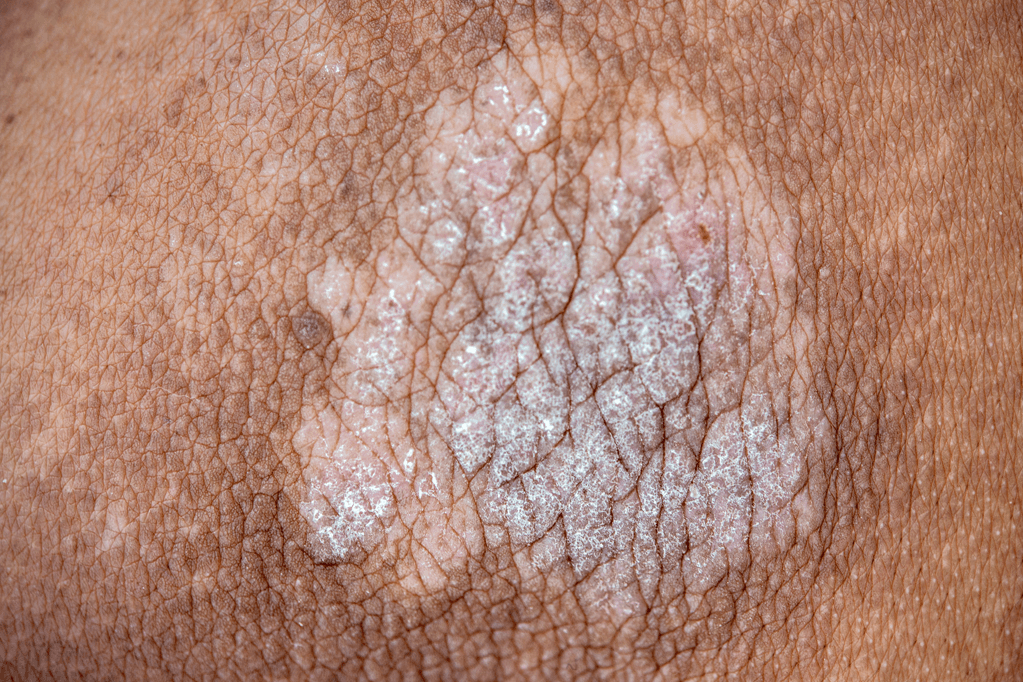
Plaque psoriasis is far more than a simple skin condition. For the millions of people who live with it, this chronic autoimmune disease is a daily battle fought on both physical and emotional fronts. It appears as raised, red, and often painful patches of skin covered with silvery-white scales. These plaques can be intensely itchy and can appear anywhere on the body, making clothing uncomfortable and social situations stressful. For years, treatment was limited to topical creams and oral medications that offered only partial relief and often came with significant side effects. Now, a new era of treatment has arrived. Biologic infusion therapies are revolutionizing care by targeting the underlying cause of psoriasis, offering the promise of clear skin and a restored quality of life.
What is Plaque Psoriasis?
Plaque Psoriasis is a chronic autoimmune condition that causes the rapid buildup of skin cells. This buildup leads to scaling on the skin’s surface. Normally, skin cells grow deep in the skin and slowly rise to the surface, eventually falling off. The typical life cycle of a skin cell is about one month. In people with psoriasis, this production process goes into overdrive, happening in just a few days. Because the body can’t shed these excess cells quickly enough, they pile up on the surface, forming the characteristic plaques.
While there are several types of psoriasis, plaque psoriasis is by far the most common, accounting for about 80% to 90% of all cases. It is not contagious. It is a systemic disease, meaning the inflammation that causes the skin plaques can also affect other parts of the body, leading to conditions like psoriatic arthritis, which causes joint pain and damage.
A Glimpse into the History of Psoriasis
Psoriasis has been misunderstood for most of human history. Ancient civilizations often confused it with leprosy, leading to social ostracization and shame for those afflicted. The term “psoriasis” itself comes from the Greek word psora, meaning “to itch.” It wasn’t until the 19th century that physicians began to differentiate it from other skin diseases.
For decades, treatment was crude and often ineffective. Early remedies included coal tar and exposure to sunlight (the first form of light therapy). The 20th century saw the introduction of corticosteroids and systemic drugs like methotrexate, which offered better control but came with a risk of serious side effects. The true breakthrough occurred in the early 2000s with the development of biologic drugs. This milestone shifted the understanding of psoriasis from a simple skin disorder to a complex autoimmune disease, paving the way for targeted infusion therapies.
Plaque psoriasis is typically diagnosed through a physical examination by a healthcare provider, who will closely inspect the affected areas of the skin. The distinctive appearance of raised, red patches with silvery scales often allows for identification without the need for additional tests. However, in some cases, a skin biopsy may be conducted to confirm the diagnosis and rule out other skin conditions, such as eczema or fungal infections. The biopsy involves removing a small sample of skin for laboratory analysis, providing detailed insight into the nature of the condition. A thorough medical history is also taken to understand potential triggers or family history of psoriasis.
The Signs, Symptoms, and Triggers of Plaque Psoriasis
Plaque psoriasis can look different from person to person, but it is typically characterized by:
Plaques: Well-defined patches of red, inflamed skin covered with silvery or white scales.
Itching and Burning: The plaques can be intensely itchy and may cause a burning or stinging sensation.
Pain: The skin can crack and bleed, leading to significant discomfort.
Location: Plaques most often appear on the scalp, elbows, knees, and lower back, but they can occur anywhere.
Nail Changes: Many people with psoriasis experience pitting, discoloration, and crumbling of their fingernails and toenails.
Psoriasis is a cyclical disease, with periods of flare-ups and remission. Certain triggers can cause symptoms to worsen or reappear. Common triggers include:
Stress: High levels of stress are a well-known trigger for psoriasis flares.
Injury to the Skin: Cuts, scrapes, bug bites, or even a severe sunburn can trigger a flare in a new spot (this is known as the Koebner phenomenon).
Infections: Illnesses, particularly strep throat, can activate the immune system and cause a flare.
Medications: Some drugs, including lithium and certain beta-blockers, can trigger psoriasis.
Can Psoriasis Be Prevented?
Because psoriasis is a genetic and autoimmune condition, it cannot be entirely prevented. However, managing triggers and adopting a healthy lifestyle can help reduce the frequency and severity of flare-ups.
Manage Stress: Practices like meditation, yoga, and deep breathing can help keep stress levels in check.
Protect Your Skin: Use moisturizer regularly to keep skin hydrated. Be gentle when bathing and avoid harsh soaps.
Maintain a Healthy Lifestyle: A balanced diet, regular exercise, and maintaining a healthy weight can help reduce overall inflammation in the body
Avoid Smoking and Limit Alcohol: Both have been shown to worsen psoriasis symptoms.
Seek Early Treatment: The most effective “prevention” against long-term complications is early and effective treatment. Addressing the inflammation promptly can prevent the disease from progressing and reduce the risk of developing related conditions like psoriatic arthritis.
The Revolution in Treatment: Biologic Infusion Therapy
For patients with moderate to severe plaque psoriasis who have not responded to topical or oral treatments, biologic infusion therapy has been a game-changer. These are not simple creams or pills; they are highly advanced, protein-based medications that target the specific parts of the immune system that drive the disease.
How Biologic Infusions Work
In psoriasis, the immune system mistakenly sends out inflammatory signals that tell skin cells to grow too quickly. Biologics work by intercepting these signals. Think of the immune system as an army. In psoriasis, some soldiers (like proteins called TNF-alpha and interleukins) have gone rogue, attacking the body’s own skin. Biologics are designed to identify and neutralize these specific rogue soldiers, calming the attack without shutting down the entire immune system.
Common biologics used for psoriasis include:
TNF-alpha inhibitors: These were the first class of biologics and work by blocking the inflammatory protein TNF-alpha. Infliximab is a powerful TNF-alpha inhibitor administered by IV infusion.
Interleukin inhibitors: Newer biologics target other inflammatory messengers, such as interleukins IL-12, IL-23, and IL-17. These highly targeted therapies have shown incredible success in producing clear or nearly clear skin.
Because biologics are large proteins, they cannot be taken as a pill. They are delivered either through self-injection or, in some cases, as an intravenous (IV) infusion at a specialized clinic.
The Infusion Advantage
Receiving treatment via infusion offers several key benefits:
Maximum Effectiveness: The medication is delivered directly into the bloodstream, ensuring 100% of the dose gets to work immediately.
Guaranteed Adherence: With infusions scheduled every few weeks or months, you don’t have to remember a daily medication. You receive the treatment under medical supervision, ensuring it is administered correctly every time.
Potent Action: Infusion therapies are often reserved for more severe cases and can produce rapid and dramatic results, often when other treatments have failed.
Restoring Quality of Life: The True Impact of Clear Skin
The goal of modern psoriasis treatment is not just to reduce plaques but to give patients their lives back. The psychological and social burden of psoriasis is immense. Many people feel self-conscious, leading to anxiety, depression, and social isolation. Infusion therapy can lift this burden.
1. Freedom from Physical Discomfort:
Achieving clear skin means freedom from the constant itching, burning, and pain that define life with psoriasis. It means being able to wear short sleeves on a hot day or sleep through the night without being woken by an unbearable itch.
2. Renewed Confidence and Mental Well-being:
When the visible signs of psoriasis disappear, the emotional weight often lifts as well. Patients report feeling more confident, outgoing, and less anxious in social settings. This has a profound impact on relationships, careers, and overall happiness.
Frequently Asked Questions About Infusion Therapy for Plaque Psoriasis
Is infusion therapy a safe treatment option?
Yes. These are FDA-approved medications that have been proven safe and effective. Because they work by modifying the immune system, they can increase the risk of certain infections. Before you start treatment, your doctor will screen you for underlying infections like tuberculosis and will monitor you closely throughout your therapy.
What happens during an infusion appointment?
You will be treated in a comfortable infusion suite. A specialized nurse will place a small IV in your arm, and the medication will be delivered slowly. The process can take a couple of hours. During this time, you can read, work, or relax while being monitored by the medical team.
How quickly will I see results from the treatment?
Many patients see significant improvement in their skin within a few weeks of their first infusion, with results continuing to improve over several months. Response times can vary, but infusion therapies are known for producing rapid and dramatic clearing.
How often will I need to receive infusions?
Many patients see significant improvement in their skin within a few weeks of their first infusion, with results continuing to improve over several months. Response times can vary, but infusion therapies are known for producing rapid and dramatic clearing.